

Lightsaber Anatomy: Parts of a Lightsaber Explained
Explore the anatomy of a lightsaber and learn how the blade, hilt, emitter, soundboard, battery, chassis, and internal electronics work together.

Lightsaber Blade Anatomy
The blade is one of the most important parts of a lightsaber, determining how the saber looks, feels, and performs.
• RGB Base-Lit Blade: A hollow polycarbonate blade illuminated by a 12W In-Hilt LED. Its lighter construction makes it well suited for training, spinning, and regular saber use.
• Neopixel Blade: Uses an internal 50W Pixel LED Strip to illuminate the blade from within, producing brighter illumination and advanced scrolling blade effects.
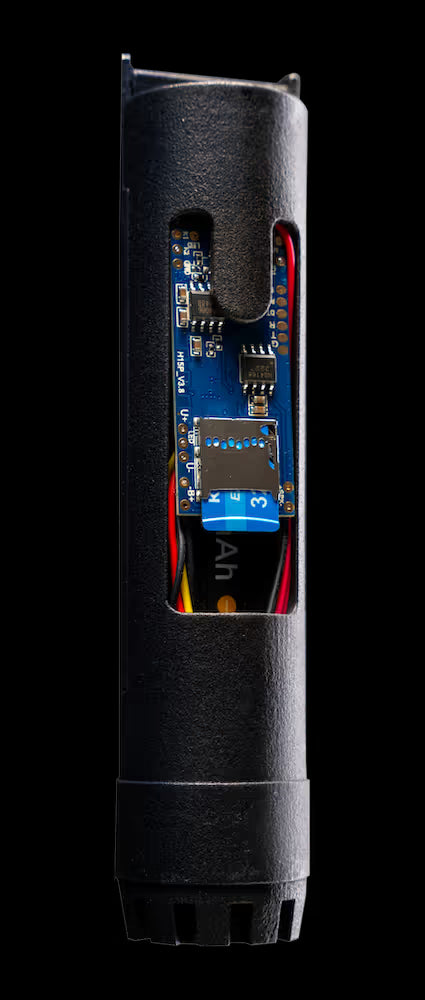
Lightsaber Soundboard & Electronics
The soundboard is the control center of a lightsaber, managing sound, motion response, blade effects, and other electronic functions.
• S-RGB: A baselit core with Bluetooth App Control, 27 preset sound fonts, Smooth Swing, and customizable lighting options.
• SNV4 Pro: A Neopixel core with Bluetooth App Control, 27 preset sound fonts, advanced blade effects, and 11 ignition effects.
• Proffie V2.2: A highly customizable Neopixel core with 25+ preset sound fonts, advanced blade effects, and Sound & Color Customization.

Lightsaber Hilt Anatomy
The hilt is the main body of a lightsaber, housing the soundboard, battery, speaker, controls, and other internal electronics.
• Emitter: Secures the blade and forms the connection between the blade and hilt.
• Grip: The main handling area, designed for a secure and comfortable hold.
• Control Section: Houses the activation button and other controls used to operate the saber.
• Chassis: Holds and protects the battery, soundboard, speaker, and internal electronics inside the hilt.
How Lightsaber Parts Work Together
A modern lightsaber is a complete electronic system. The battery supplies power to the soundboard, while motion sensors detect movement and impacts. The soundboard processes these inputs to control sound and lighting effects.
In RGB baselit sabers, light is produced by an LED inside the hilt and projected through the blade. In Neopixel sabers, LEDs run throughout the blade itself, allowing more advanced blade effects and scrolling ignition animations.
The internal chassis keeps the battery, soundboard, speaker, and other electronics securely positioned inside the hilt, allowing the blade, electronics, controls, and audio system to work together as one complete lightsaber system.
Frequently Asked Questions
Learn more about the components inside a modern lightsaber and how each part contributes to the complete saber experience.